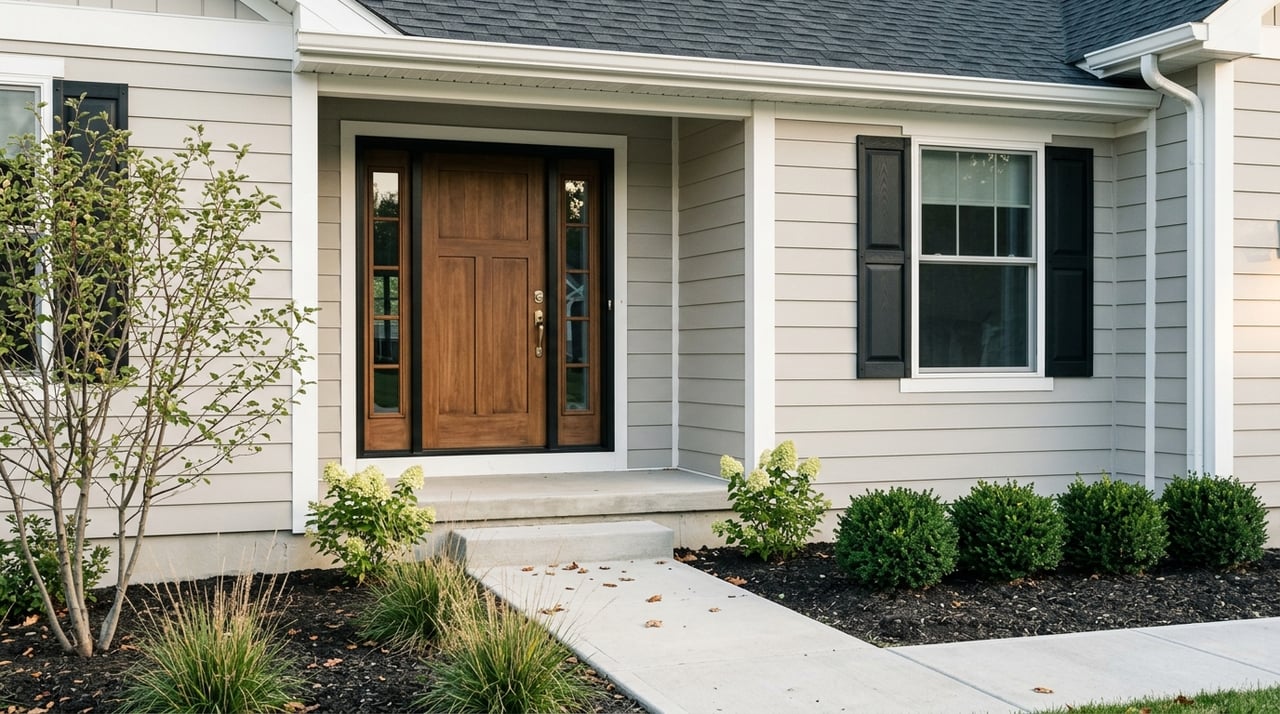
Thinking about buying a brand-new home in Canton? New construction can be exciting, but it also comes with decisions that are easy to underestimate, from builder contracts and upgrades to permits, inspections, and future property taxes. If you want to feel more confident before you sign, this guide will walk you through the key details that matter in Canton so you can move forward with fewer surprises. Let’s dive in.
Why Canton Appeals to New Construction Buyers
Canton is a major suburban community in Southeast Michigan, located between Detroit and Ann Arbor. According to Canton Township, the township covers 36 square miles and has a population near 100,000. The U.S. Census QuickFacts cited by the township also estimate a 76.6% owner-occupied housing rate and a median owner-occupied home value of $372,400.
For many buyers, that combination makes Canton a practical place to consider a new build. You can find a large established community, a strong base of owner-occupied housing, and a location that works well for people commuting within Southeast Michigan.
Verify School District Boundaries Early
If school assignment is part of your home search, address-level verification matters in Canton. The township says the community is served by three public school districts, and Canton Township school district information notes that Canton includes Plymouth-Canton, Wayne-Westland, and Van Buren school districts.
That matters even more because district lines and attendance areas are not something you should guess based on a subdivision name or nearby streets. The same district resource page includes an interactive address lookup, which is a smart tool to use before writing an offer.
Within Plymouth-Canton Community Schools, high school students are randomly assigned to Canton, Plymouth, or Salem. If you are comparing new construction communities, it is worth confirming the exact assignment process for the address you are considering.
Understand How Canton Approves New Builds
A new home in Canton does not move forward on the builder’s schedule alone. The township says that new projects go through a review process, and most projects require Planning Commission review.
Canton also states that building work is governed by the Michigan Building Code and Michigan Residential Code, including one- and two-family dwellings. That means your home is part of a formal local process, not just a private agreement between you and the builder.
Timing matters too. According to Canton’s building and planning information, plan reviews are handled in the order received and may take up to 15 business days, with spring and summer being the busiest periods.
Permits Can Affect Your Timeline
One of the most common surprises in new construction is that delays are not always dramatic. Sometimes the delay is simply a permit, review, or inspection step taking longer than expected.
Canton’s building department guidance notes that the township does not require HOA approval before issuing residential permits. However, the applicant or property owner is still responsible for obtaining any HOA approvals and checking deed restrictions or covenants.
That distinction is important. If a permit is issued and later canceled because of HOA requirements, the township says permit fees will not be refunded. As a buyer, that is a good reason to ask early whether all subdivision or HOA requirements have already been cleared.
Canton also states that a licensed residential contractor must apply for its own building permit. Before you move forward, ask who is listed on the permit, whether approvals are active, and what inspections remain.
Use Canton’s Online Permit Tools
You do not have to rely only on verbal updates. Canton provides online permit and inspection tools that allow users to submit permit applications, check permit status, pay fees, and schedule inspections online.
If your builder or contractor is willing to share permit numbers or project access, these tools can help you track progress more clearly. That can be especially helpful if you are planning a lease end date, coordinating a move, or trying to line up a closing window.
Read the Builder Contract Carefully
A builder contract is not just another version of a standard resale purchase agreement. It is its own due diligence item, and you should treat it that way.
The National Association of Home Builders recommends asking about buyer references, financing plans, standard features versus custom options, appliance choices, extra fees, HOA dues, warranty coverage, landscaping, restrictive covenants, estimated taxes, and nearby development plans.
Before signing, make sure you have these items in writing:
- A base price sheet
- A list of standard features
- A list of upgrades and upgrade pricing
- Any additional lot, site, or community fees
- HOA dues and known restrictions
- Estimated property taxes
- Warranty details
This is one of the best ways to avoid confusion later. If something matters to you, it should be documented clearly before you commit.
Watch Upgrade Costs Closely
Model homes can make it easy to fall in love with finishes that are not included in the base price. That does not mean upgrades are bad. It just means you need a realistic picture of what your final cost will be.
Ask the builder to separate standard items from optional items in writing. You should also ask whether appliances, finishes, or landscaping can be upgraded or downgraded and whether there are deadlines for making design selections.
That clarity helps you compare communities more accurately. A lower base price does not always mean a lower total price once upgrades and fees are added.
Ask the Right Lender Questions
If you are financing a new build, your loan structure can affect both your paperwork and your timeline. According to Fannie Mae’s construction-to-permanent financing guidance, these loans may be structured as either a single-closing or two-closing transaction.
In a single-closing loan, the construction financing is set up to convert to permanent financing when construction is complete. In a two-closing structure, there is a separate closing for construction financing and then another for the permanent mortgage.
Ask your lender:
- Is this a single-closing or two-closing transaction?
- How does the draw process work?
- What documents will I need at each stage?
- What could affect the final closing timeline?
These are not minor details. They can affect your costs, scheduling, and how prepared you feel throughout the process.
Review Closing Documents Ahead of Time
Do not wait until closing day to look at your numbers. The Consumer Financial Protection Bureau says borrowers must receive the Closing Disclosure at least three business days before closing.
The CFPB also recommends contacting your lender or closing agent at least a week before closing to ask how the disclosure will be delivered. Once you receive it, compare it to your Loan Estimate and flag any differences right away.
This step can be especially important with new construction, where timing and costs may shift during the build. Reviewing documents early gives you more room to ask questions and avoid last-minute stress.
Get an Independent Home Inspection
A newly built home is still a home under construction, and independent inspections still matter. The CFPB advises buyers to schedule the inspection as soon as possible, attend if they can, and remember that an appraisal is not the same as an inspection.
If your purchase contract includes an inspection contingency, a satisfactory inspection may also affect your ability to move forward or cancel without penalty. That is a meaningful protection, so make sure you understand your inspection rights before signing.
HUD also notes that FHA compliance inspections do not guarantee the condition of the home. Buyers still need their own qualified home inspector.
Know What the Warranty Covers
Many buyers assume a new home warranty covers everything. In reality, warranty coverage is often limited and very specific.
According to the Federal Trade Commission, builder warranties usually cover permanent parts of the home rather than cosmetic wear. The FTC says many newly built homes include limited coverage such as:
- One year for workmanship and materials on many components
- Two years for HVAC, plumbing, and electrical systems
- Up to 10 years for certain major structural defects
The FTC also notes that many warranties require mediation or arbitration. Before you sign, read the dispute-resolution language carefully so you understand how claims are handled.
Double-Check Property Tax Estimates
Property taxes are one of the easiest places for new construction buyers to get caught off guard. In Michigan, a transfer of ownership can change how taxable value is calculated after the sale.
According to the State of Michigan, a transfer of ownership causes taxable value to uncap in the calendar year after the transfer. The state also says that a Principal Residence Exemption can remove an owner-occupied home from local school operating millage, up to 18 mills, if the owner files the required affidavit with the local tax collecting unit.
For you, the practical takeaway is simple: do not assume the first tax estimate is the final tax bill. Ask for the projected post-closing amount, ask how that estimate was calculated, and verify whether you need to file for the Principal Residence Exemption.
Questions to Ask Before Signing
If you want a simple checklist, start here.
Questions for the Builder
- What is included in the base price?
- Which features are standard and which are upgrades?
- What extra fees apply beyond the purchase price?
- What HOA dues or restrictions apply?
- What warranty program is included?
- What is the estimated property tax bill?
Questions for the Lender
- Is the loan single-closing or two-closing?
- How are construction funds drawn?
- When will I receive the Closing Disclosure?
- What could change the final timeline or cash needed to close?
Questions for the Township or Permit Office
- Who is listed as the permit holder?
- Which approvals are complete?
- Which inspections are still pending?
- How can permit status be checked online?
Questions About School Assignment
- What is the exact district for this address?
- Is there an address lookup or boundary map I should verify?
- If the address is in Plymouth-Canton, how does high school assignment work?
A Smarter Way to Buy New Construction
Buying new construction in Canton can be a great option if you go in with clear expectations. The biggest wins usually come from asking better questions early, confirming what is in writing, and understanding how local approvals, financing, inspections, warranties, and taxes all fit together.
If you want a steady, local guide as you compare builders, review timelines, or make sense of contract details, Jay Gingell is here to help you move forward with clarity and confidence.
FAQs
What should you ask a builder when buying new construction in Canton?
- Ask for the base price, standard features, upgrade list, extra fees, HOA dues, warranty details, and estimated property taxes in writing.
How can you verify school district boundaries for a Canton new build?
- Use the township’s school district resource and address lookup tool to confirm the exact district and attendance area for the property address.
Do you still need a home inspection for a newly built home in Canton?
- Yes. A new home can still have issues, and an independent inspection is different from an appraisal or any lender-related review.
How long can permits and plan reviews take in Canton?
- Canton says plan reviews are handled in the order received and may take up to 15 business days, with spring and summer being the busiest times.
Why can property taxes change after buying a new construction home in Michigan?
- A transfer of ownership can cause taxable value to uncap in the following calendar year, which may lead to a higher tax bill than early estimates suggest.