Trying to choose between a condo and a house in Ann Arbor? You are not alone. For many first-time buyers, this decision shapes your monthly budget, your daily routine, and how much control you have over your home. The good news is that there is no one-size-fits-all answer, and a clear side-by-side look can make the choice much easier. Let’s dive in.
Ann Arbor market basics
Ann Arbor remains a very competitive housing market. Recent local market data shows a broad median sale price of $488,000, with homes selling in about 35 days.
When you narrow the focus to condos, the price picture changes. Current condo listings in Ann Arbor show a median listing price around $379,000, which points to a lower entry point than the city’s overall market.
A local broker housing report gives an even clearer comparison. In Ann Arbor, condominiums averaged $463,524 in sale price year-to-date through February 28, while single-family homes averaged $628,252.
That gap matters if you are buying your first home. In simple terms, condos often cost less in total dollars, even though they can cost more per square foot than a house.
Condo vs house in Ann Arbor
What a condo usually offers
A condo often works well if you want to get into Ann Arbor sooner and keep your purchase price lower. It can also be appealing if you prefer less exterior maintenance and want a more location-first lifestyle.
In Ann Arbor, that can mean easier access to downtown and areas near campus. Downtown covers 67 blocks and includes Kerrytown, Main Street, South University, and State Street, so condo living often lines up with buyers who value a walkable daily routine.
What a house usually offers
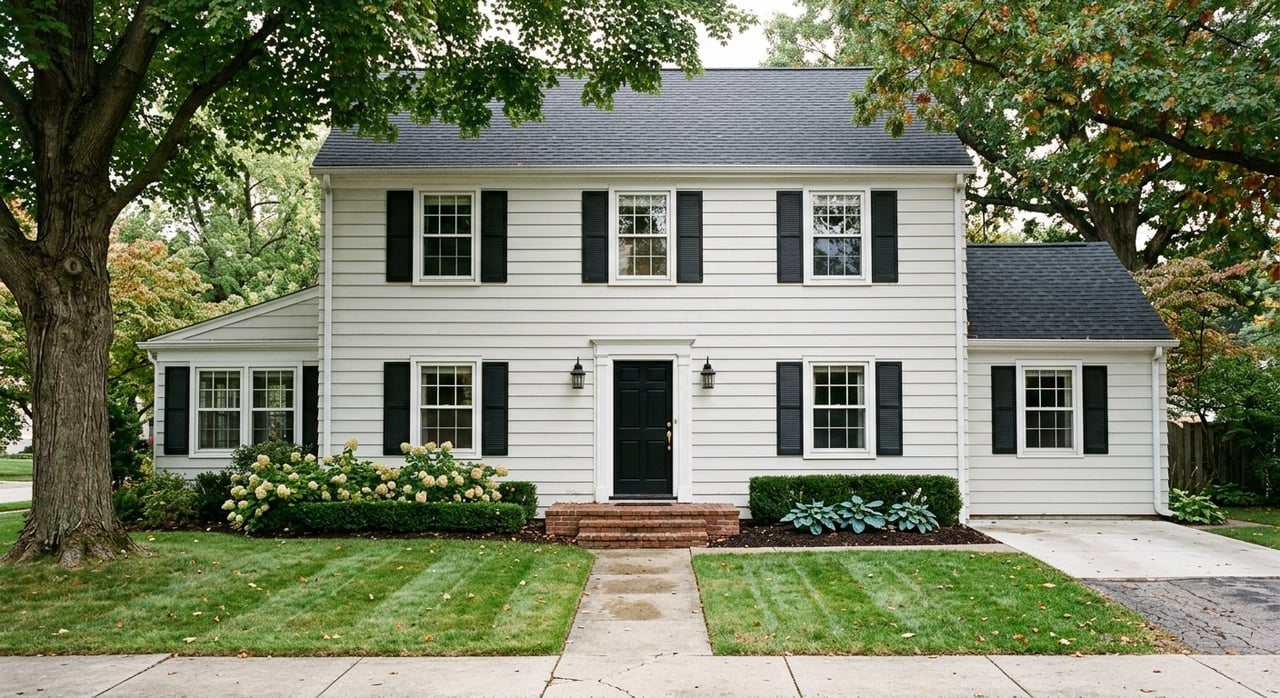
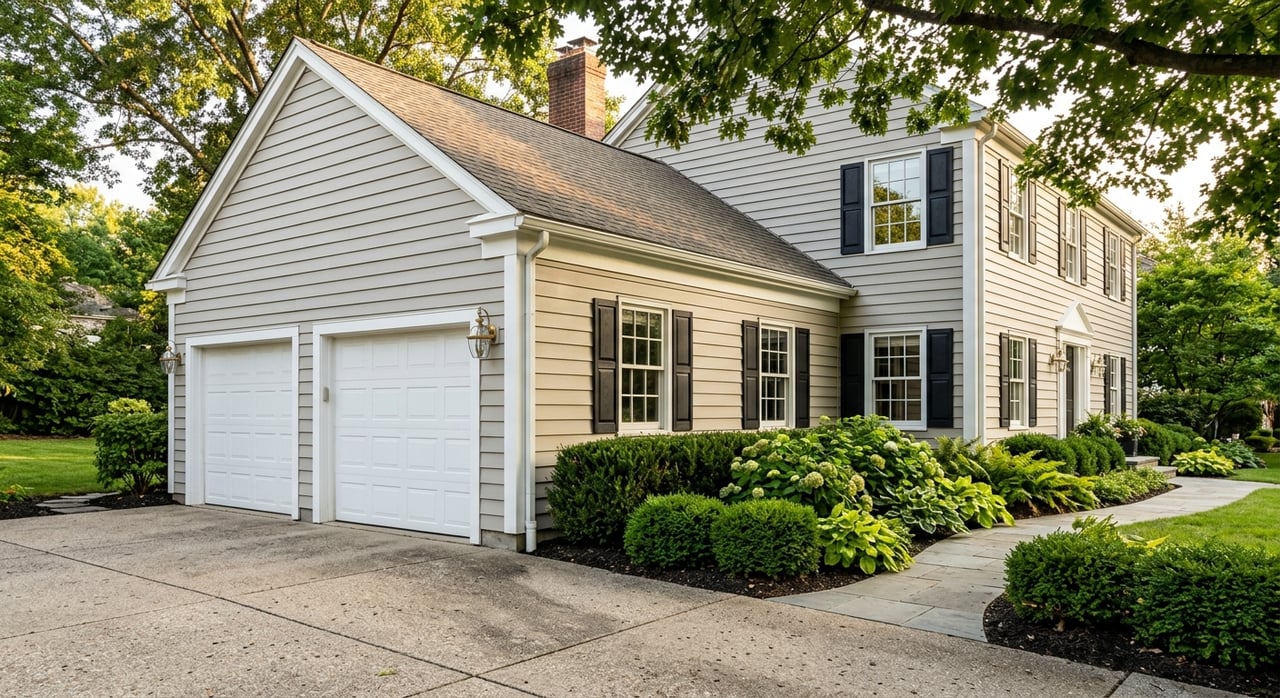
A single-family house often gives you more space, more storage, and more freedom to make changes over time. If you picture having a yard, taking on home projects, or staying put for longer, a house may fit your goals better.
That extra independence comes with extra responsibility. Unlike many condos, a house puts routine maintenance and repair costs directly on you.
What a condo means in Michigan
In Michigan, a condo is not just a smaller home type. It is a specific form of ownership where you own your unit and share common elements with other co-owners through an association.
That association can collect monthly maintenance fees and special assessments for common-element repairs. Under Michigan guidance, unpaid fees can become a lien, and associations must maintain a reserve fund for major repairs and replacement with a minimum of 10% of the annual budget on a non-cumulative basis.
This is why condo document review matters so much. Before you commit, you should carefully review the master deed, bylaws, budget, reserve information, and rules on rentals or modifications.
Condo dues are separate
One common first-time buyer surprise is that condo dues are usually separate from your mortgage payment. They are typically paid directly to the association, and they can change over time.
That means your monthly housing cost is not just principal, interest, taxes, and insurance. You also need to account for HOA dues and the possibility of future increases.
Special assessments can affect your budget
Michigan also treats each condo unit as a separate parcel for property tax and special assessment purposes. In real life, that means a large shared repair project may lead to a bill assigned to individual owners.
This does not mean every condo will face major assessments. It does mean you should look closely at reserves, recent repairs, and the association’s overall financial health before moving forward.
Site condos can look like houses
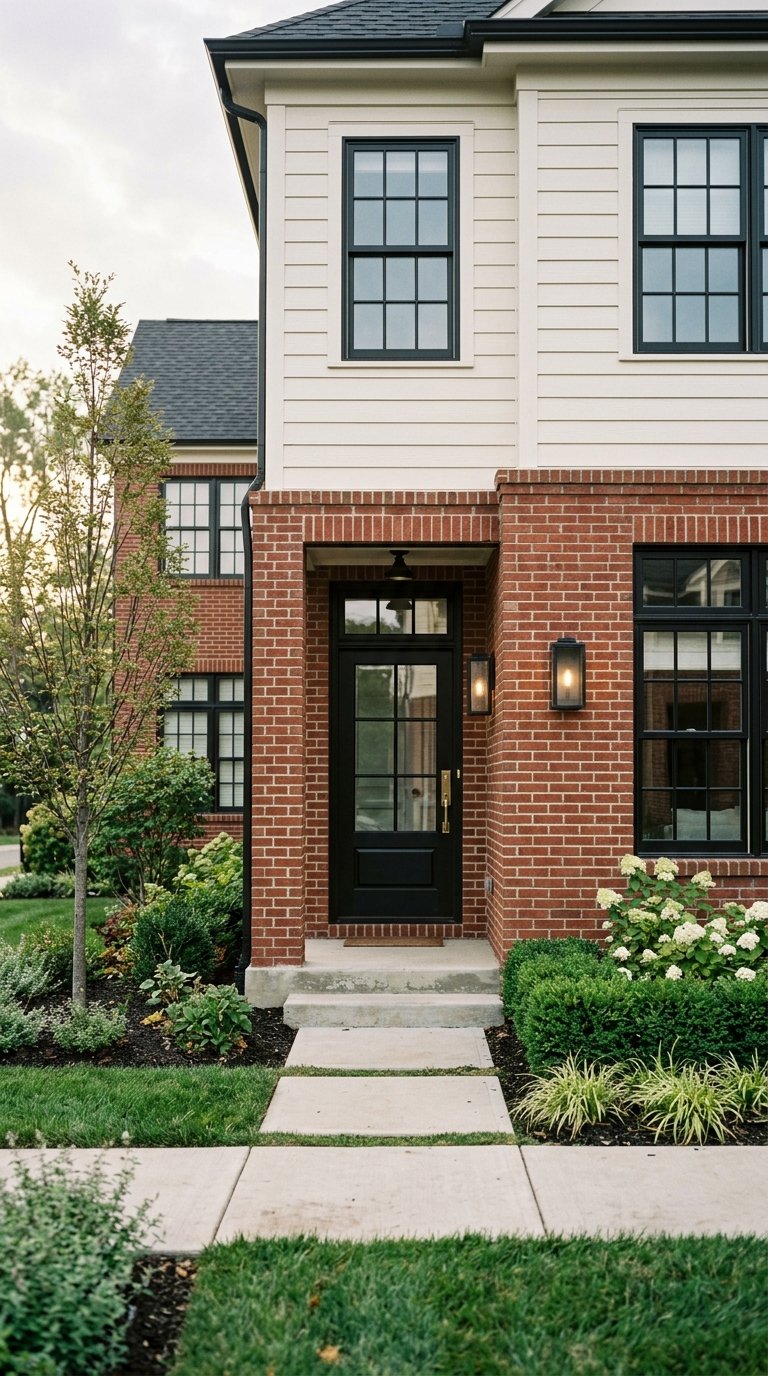
In Michigan, a site condominium can look like a detached single-family home while still being legally governed as a condo project. That is an important local nuance for Ann Arbor buyers.
If a property looks like a house, do not assume it works like a traditional single-family home. The legal structure and governing documents tell you far more than the exterior style.
What a house means for your budget
A house usually gives you fewer association rules, but it also shifts more costs to you. Routine maintenance is part of homeownership, and repair expenses are generally separate from your mortgage payment.
For a first-time buyer, that can include:
- Lawn care
- Appliance replacement
- Roof work
- HVAC repairs
- Exterior upkeep
This is where the tradeoff becomes clearer. With a house, you often gain more control, but you also need more room in your budget for the unexpected.
How location shapes the choice
In Ann Arbor, location can be just as important as property type. Many condos are tied to a more urban rhythm, especially in and around downtown and near the University of Michigan campus.
If you want to be close to major commercial districts and enjoy a walkable setup, a condo may feel like a natural fit. For some buyers, being closer to those daily conveniences is worth living with dues and association rules.
A house may make more sense if your priority is space. If you want more room for storage, outdoor use, hobbies, pets, or long-term flexibility, the single-family option often delivers that more directly.
Which first home fits you best?
A condo may be right if you want
A condo may be the better first-home fit if you want:
- A lower total purchase price than many single-family options in Ann Arbor
- Less exterior maintenance responsibility
- A location-first lifestyle near downtown or campus activity
- A simpler day-to-day setup
- Comfort with dues, rules, and possible assessments
This path can help some buyers enter the Ann Arbor market sooner. That can be a meaningful advantage in a competitive area.
A house may be right if you want
A house may be the better fit if you want:
- More autonomy over the property
- More outdoor space
- More storage and room to grow
- Fewer association restrictions
- Flexibility to customize over time
This route usually works best when you are prepared for ongoing maintenance and repair costs. It can also be a stronger fit if you expect a longer ownership horizon.
Questions to ask before you choose
Before you decide on a condo or a house in Ann Arbor, it helps to answer a few practical questions.
For condo buyers
Ask these questions before you move forward:
- What does the HOA fee cover?
- How often has the fee changed?
- How healthy are the reserves?
- Have there been special assessments or deferred repairs?
- Are rentals, pets, or exterior changes restricted?
- Is this an attached condo or a site condo?
- Is the condo project compatible with your loan type?
These answers can tell you a lot about your true monthly cost and future flexibility.
For house buyers
Ask yourself these questions as well:
- Can you comfortably budget for maintenance and repairs?
- How much outdoor upkeep do you want to handle?
- Do you want more freedom to change the property over time?
- How long do you expect to stay in the home?
- Would more space improve your day-to-day life enough to justify the higher cost?
These questions help you focus on the real lifestyle tradeoff, not just the listing price.
Do not forget Ann Arbor property taxes
Property taxes apply to both condos and houses, so it is important to estimate taxes on the specific parcel rather than assume one property type is always cheaper. In Ann Arbor, property taxes are based on taxable value multiplied by millage rates.
The city notes that summer taxes are due July 31 and winter taxes are due December 31. If the home will be your principal residence, Michigan’s Principal Residence Exemption may remove up to 18 mills of local school operating tax if you file on time with the local assessor.
That filing step can affect your first year of ownership. It is a small detail that can make a meaningful difference in your monthly budget.
The real decision comes down to tradeoffs
For most first-time buyers in Ann Arbor, the choice is not about which option is better in the abstract. It is about which tradeoff feels easier to live with.
A condo can offer convenience, a lower purchase price, and a strong location story. A house can offer more independence, more space, and more long-term flexibility.
The right answer depends on your budget, your comfort with maintenance, and how you want to live day to day. If you choose with those factors in mind, you will be much more likely to feel good about your first home after the excitement of closing day wears off.
If you want help weighing condos versus houses in Ann Arbor, Jay Gingell offers clear, patient guidance to help you compare your options and move forward with confidence.
FAQs
Is a condo cheaper than a house in Ann Arbor?
- Usually in total purchase price, yes. Recent Ann Arbor data shows condos averaging $463,524 compared with $628,252 for single-family homes, though condos can cost more per square foot.
What do condo dues cover in Michigan?
- Condo dues commonly help cover common-area maintenance and shared expenses, but what is included varies by association, so you should review the budget and bylaws carefully.
Are condo fees included in your mortgage payment?
- Usually no. Condo or HOA dues are typically paid directly to the association and are generally separate from your mortgage payment.
What is a site condo in Michigan?
- A site condo is a condo project that may look like a detached single-family house, but it is still legally governed as a condominium, which is why the documents matter.
Are property taxes different for condos and houses in Ann Arbor?
- Taxes depend on the specific parcel’s taxable value and applicable millage rates, so you should estimate taxes on the actual property rather than by property type alone.
What should first-time condo buyers review before closing in Ann Arbor?
- You should review the master deed, bylaws, budget, reserve information, and any rules about rentals, pets, modifications, and assessments before making a final decision.