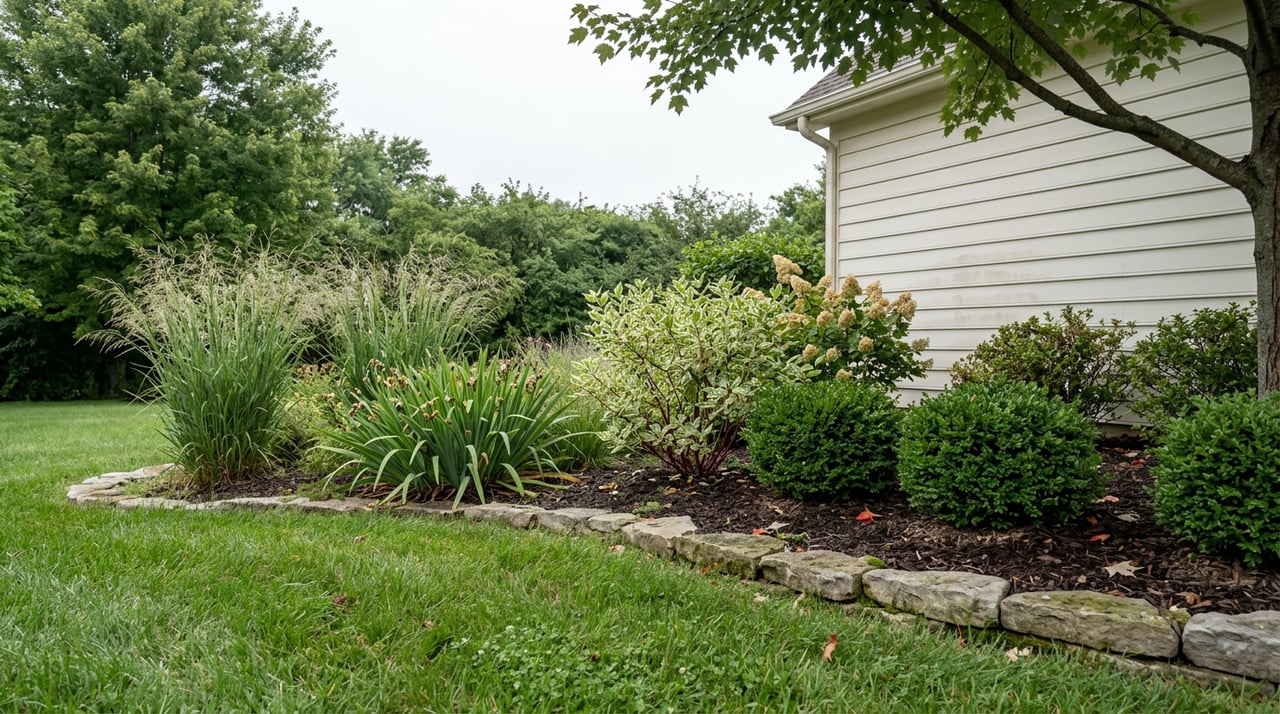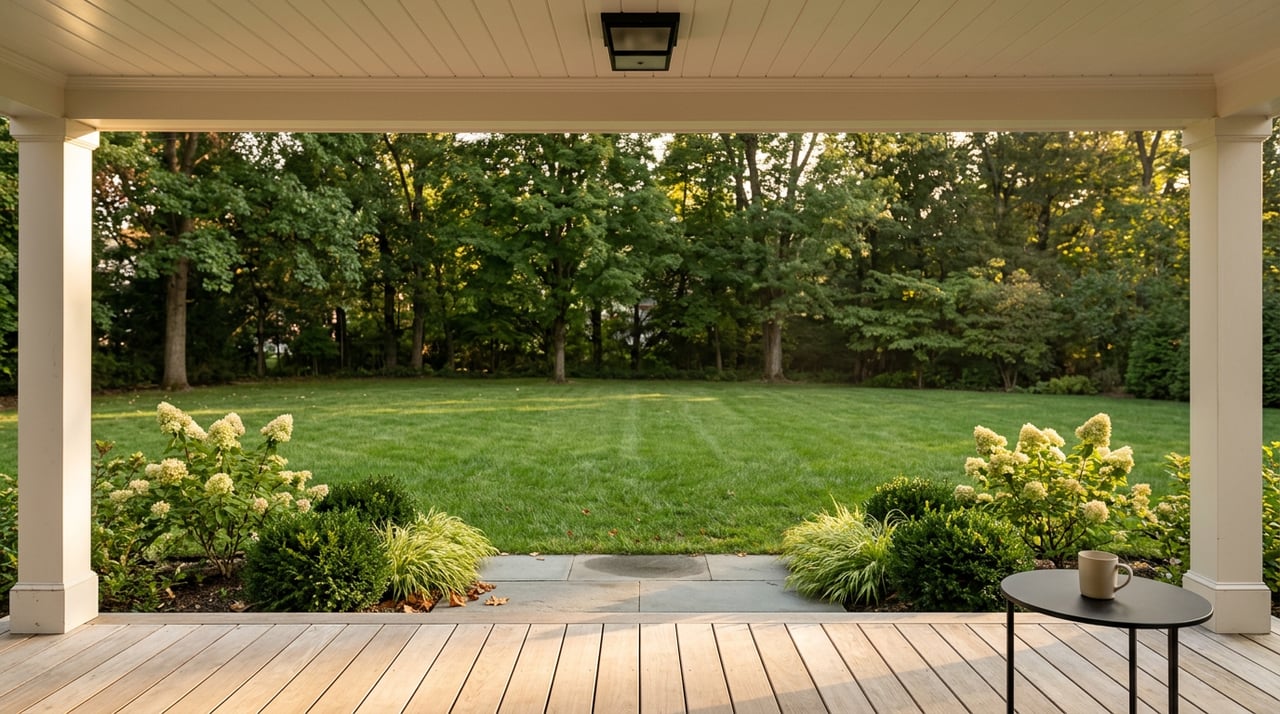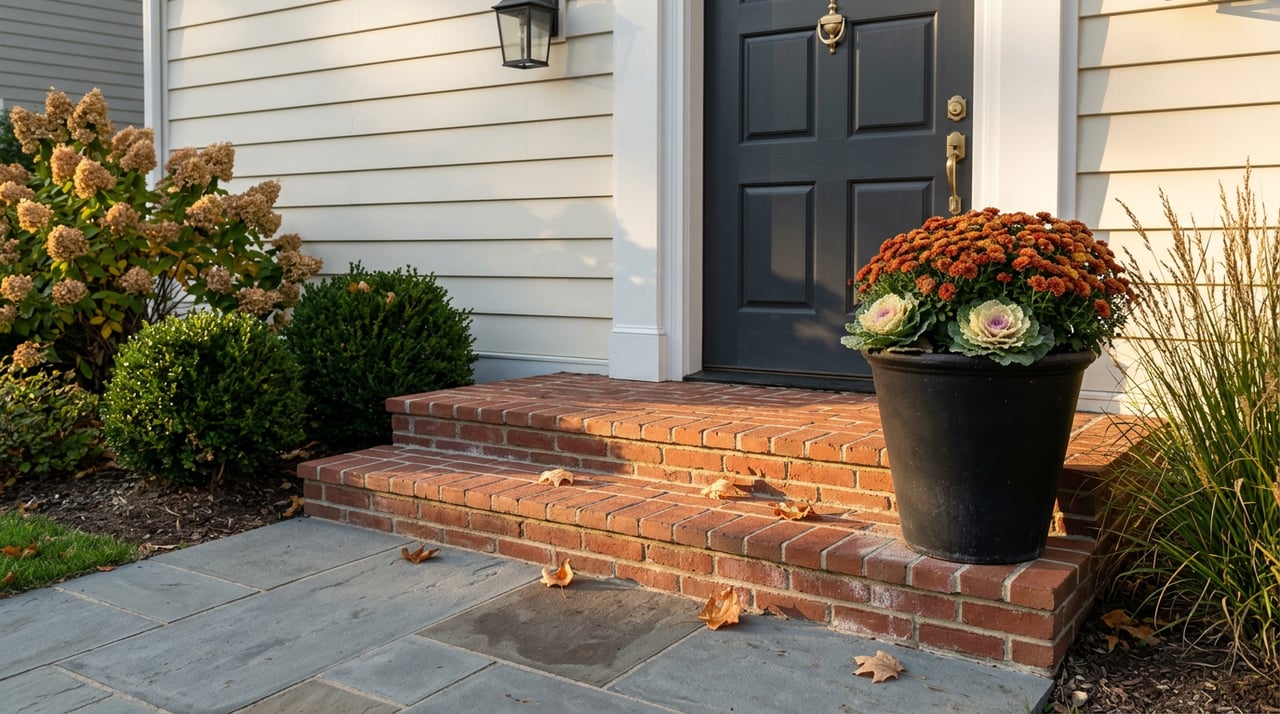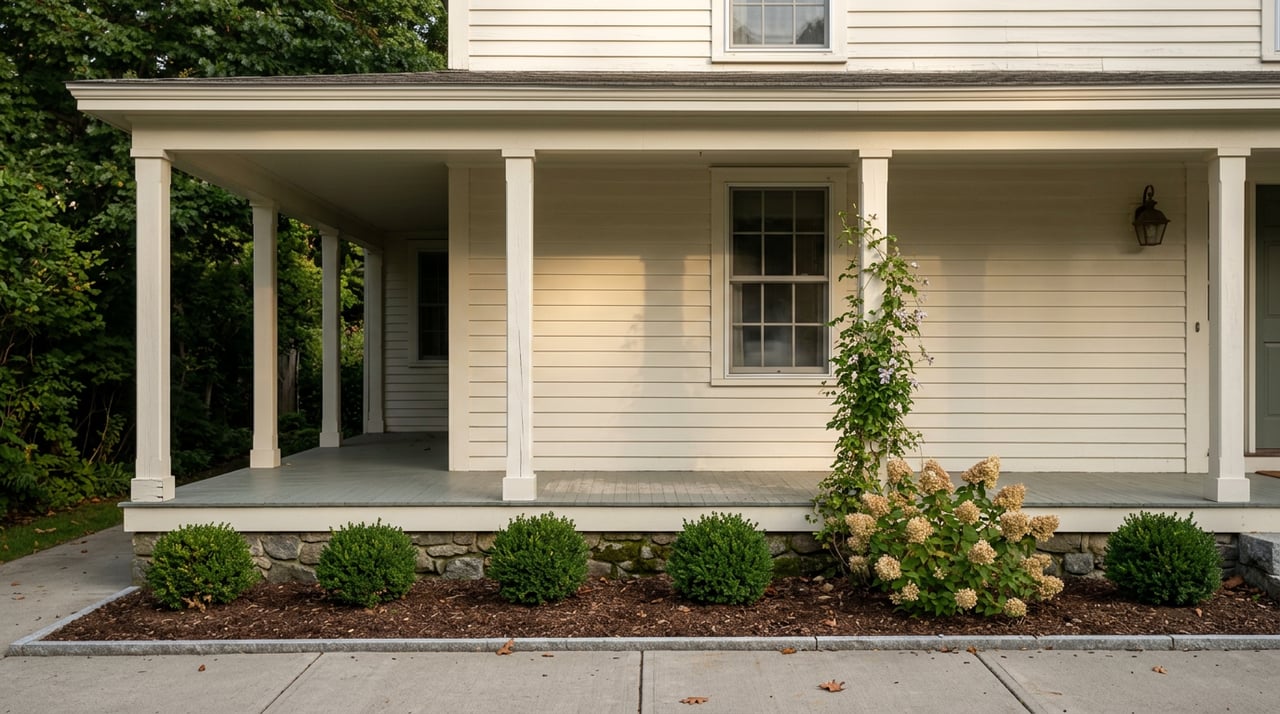
Ask a buyer touring a century-old cottage on Starkweather Street what happens if they want to repaint the trim, and most will guess the same thing: a form, a review board, a wait for approval. That assumption is reasonable. It is also wrong for this particular neighborhood, and getting it wrong in the other direction, assuming Old Village comes with no oversight at all while ignoring the thing that actually stops a closing, is the more expensive mistake.
Plymouth's Old Village, also called Lower Town, sits about half a mile from downtown across the old railroad tracks. Homes and buildings here date back to the 1840s. But the city's actual design-review authority, the body that decides whether you can swap your siding or repaint your porch, only governs the Kellogg Park Historic District, the commercial and residential blocks immediately surrounding Kellogg Park downtown. That district was studied in 1994 and established the same year. The Historic District Commission that oversees it meets the first Wednesday of every month, and any exterior work inside that boundary, new construction, additions, porch repair, roofing, siding, windows, doors, lighting, landscaping, or paint color, needs a signed-off application before it happens.
Old Village is not inside that boundary. Unless a specific property has gone through its own individual historic designation (something Michigan's Local Historic Districts Act allows on a building-by-building basis, and something the City of Plymouth or Plymouth Township would have a public record of), a homeowner on Starkweather or Caster or Holbrook can repaint, reroof, or replace a window without asking a commission's permission. The neighborhood earns its historic character honestly, from the actual age of its housing stock and the names attached to it, not from a design-review ordinance.
That history is real and it is dense. William Starkweather bought the land that became Old Village in 1831, and his son George later cut a road through that same farmland to reach his store and the new train station. The city renamed that road, originally Oak Street, to Starkweather in George's honor after his death in 1907. Peter Gayde, a German immigrant who helped found the German Lutheran Church on Spring Street, built and owned several structures along Liberty Street, including one that still stands today. Ruth Whipple lived in a home on Penniman Avenue that had been in her family since the 1890s, and in 1940 she became the first woman mayor of Plymouth, and the first female mayor in the state of Michigan. Margaret Dunning, whose name is on both the Plymouth Historical Museum and the Plymouth District Library, grew up in a 1925 home on Penniman Avenue and lived there for more than ninety years.
None of that history comes with a commission telling a current owner what color to paint the porch rail. What it comes with is wiring, plumbing, and framing that predate most of the systems a modern insurance underwriter is built to evaluate.
The gatekeeper isn't a commission. It's an underwriter.
Here is the friction that actually surfaces during a transaction in Old Village, and it has nothing to do with historic preservation ordinances. Most homes in this neighborhood were built before 1940, which means many of them still carry some amount of original knob-and-tube wiring, an ungrounded system of porcelain insulators and open-air wire runs that was standard practice through the 1930s and into the early 1940s.
Knob-and-tube wiring in good condition is not automatically a safety hazard. It is, however, a hazard to your ability to close on time, because most homeowners insurance carriers treat it as a red flag during underwriting. According to Insure.com's coverage of the issue, a buyer facing knob-and-tube on an inspection report generally has three options: commit to replacing the wiring within about 30 days in exchange for standard coverage, accept a stripped-down policy that covers less than a normal one, or pay a specialty insurer 50 to 100 percent more than a comparably sized home with modern wiring would cost to insure. Full rewiring, per that same reporting, typically runs $12,000 to $36,600 depending on the size of the home, and that figure does not include the drywall or plaster repair that follows once an electrician opens the walls, a cost buyers are frequently surprised by after the fact.
The practical version of this for someone writing an offer on an Old Village home: talk to your insurance agent before your inspection contingency window closes, not after. If a carrier declines or conditions coverage on a rewire timeline you cannot actually meet, you need a backup quote in hand before you are locked into a purchase agreement. Waiting until the week before closing to find out your preferred carrier will not write the policy is how deals fall apart in the final stretch.
What recent listings are already showing
The sellers who understand this are already solving it before a buyer ever asks. One Starkweather Street home, built in 1898, was marketed with dual updated electrical panels and wiring for a generator listed as selling points, not afterthoughts, alongside dual forced air boiler systems. Another Starkweather Street listing highlighted a new roof installed in 2022 and a full set of upgraded Andersen replacement windows. These are not decorative upgrades. They are the specific line items an insurance underwriter and an appraiser will ask about, addressed in advance.
That is the pattern worth watching as a buyer touring Old Village inventory: a home that discloses its electrical panel age and wiring type upfront is telling you something about how smoothly your financing and insurance process is likely to go. A listing that is silent on electrical or mechanical systems in a home built before 1920 is not necessarily hiding something, but it is a prompt to ask directly, and to ask early.
| What buyers assume | What's actually true in Old Village |
|---|---|
| Exterior renovations need commission approval | Only true inside the separate Kellogg Park Historic District, not Old Village |
| The neighborhood's age is mostly cosmetic charm | Most homes predate 1940, which affects wiring, plumbing, and insurability |
| Insurance is a formality after inspection | Knob-and-tube era wiring can require a 30-day rewire commitment or a surcharged policy before a carrier will bind coverage |
| A citywide median tells you what a home is worth | Comps are thin here; individual appraisal and true like-for-like sales matter more |
Why the citywide median won't price your offer
Plymouth's overall housing numbers for August 2026 depend heavily on which source you check. One widely used estimate put the citywide median list price that month at $539,000, down 3 percent from August of the previous year. A separate estimate, using inventory and pricing data through late 2025, put the median closer to $515,000, essentially flat year over year. A third, using a three-month trailing window ending in May 2026, showed a median sale price above $600,000, up sharply from the same period a year earlier. Those are not small discrepancies for the same city in the same season.
That spread is not a data error. It is what happens when a market has genuinely limited monthly transaction volume and a housing stock ranging from new construction in Starkweather's new-build section to hundred-plus-year-old cottages a few blocks away in Old Village. A citywide median blends both. It tells you almost nothing about what a five-bedroom 1907 home with original hardwood and a detached carriage house garage should sell for, because there may only be a handful of directly comparable sales in a given year. For a home like that, the number that matters is not the city median. It is the appraisal, informed by the small set of true like-for-like sales in Old Village itself, and the underwriting outcome on insurance, which can move your effective cost of ownership more than a few percentage points on price ever will.
FAQ
Does buying a home in Old Village mean I need Historic District Commission approval to renovate? No, unless the specific property has its own individual historic designation. The city's ordinance-based design review applies to the Kellogg Park Historic District surrounding the park downtown, not to Old Village as a whole.
Will every century-old Old Village home have knob-and-tube wiring? Not necessarily. Many homes have been partially or fully rewired over the decades. The only way to know is a licensed electrician's evaluation, which is worth requesting even if your general inspector does not flag anything specific.
What should I ask the seller before I write an offer? Ask for documentation on the age and type of the electrical panel and any known wiring updates, the age of the roof, and whether the home has been evaluated by an electrician recently. If the listing does not mention it, that is your cue to ask directly rather than assume.
If you are weighing a historic home in Old Village against something newer a few blocks away, the honest answer depends on your tolerance for the insurance and financing timeline, not just the charm of the porch. Jay Gingell has walked Plymouth buyers through exactly this kind of decision, from reading an inspection report correctly to getting ahead of an underwriter's questions before they cost you a closing date. Let's connect and request a free home valuation before you write your next offer.