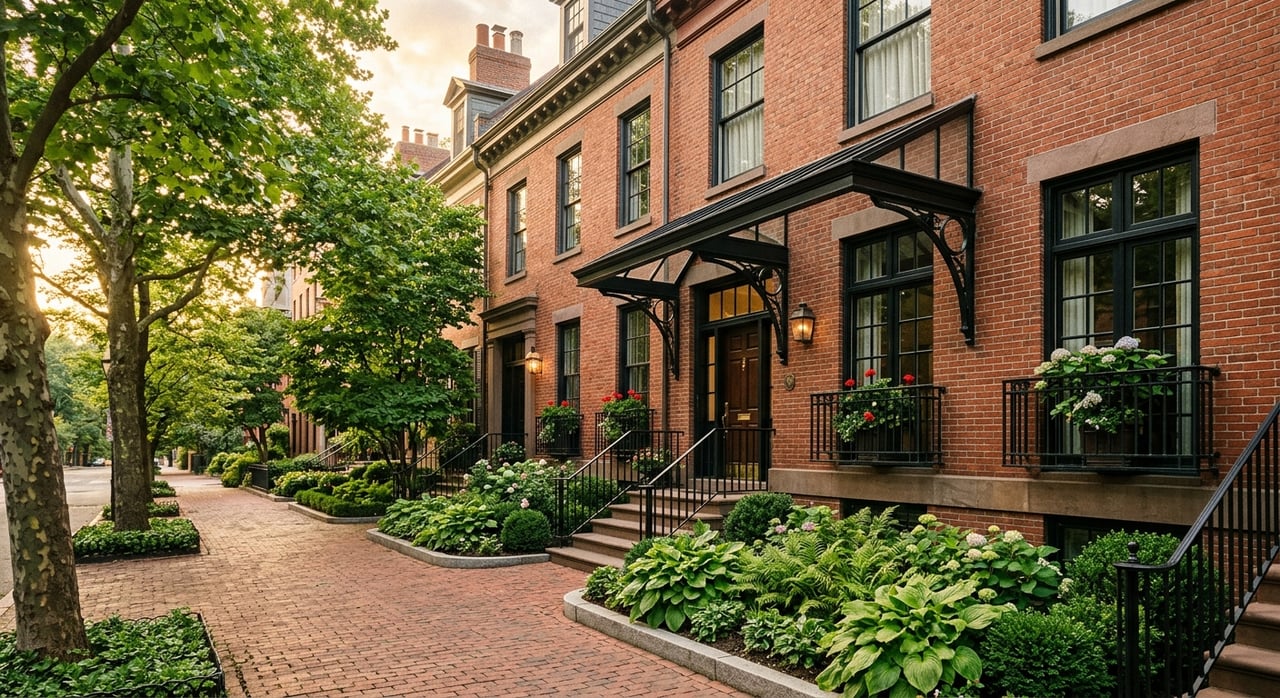
If you want a suburb where you can actually leave the car parked for dinner, coffee, or a weekend event, Downtown Plymouth stands out. It offers a walkable core centered on Kellogg Park, but it still functions like a Southeast Michigan suburb where most regional commuting happens by car. In this guide, you’ll get a clear look at what daily life feels like, how the housing market works, and what to know before you buy or sell here. Let’s dive in.
What Downtown Plymouth Feels Like
Downtown Plymouth is the commercial center for the City of Plymouth, Plymouth Township, and Canton Township, with Kellogg Park at the heart of the district. The streets around the park are lined with shops and restaurants, which gives the area a true downtown feel rather than a single retail strip. That setup is a big reason many buyers see it as one of the more walkable suburban options on the west side of Metro Detroit.
The district also has a strong regional pull. According to the city and DDA, Downtown Plymouth has access to a market area of 500,000 people, and activity centered around Kellogg Park brings in more than one million visitors each year. For you as a resident, that can mean more energy, more foot traffic, and more reasons to spend time close to home.
Why Walkability Matters Here
Walkability in Downtown Plymouth is not just about sidewalks. It is about having a compact area where dining, retail, and public gathering spaces work together. The DDA even provides a walking map, which reinforces that the downtown core is designed to be explored on foot.
That said, walkable does not mean car-free. The city notes that downtown parking is free but time-limited, with two-hour on-street spaces and three-hour or eight-hour lots enforced Monday through Saturday from 9 a.m. to 9 p.m. Downtown parking rules and lot details are worth reviewing if you expect to spend a lot of time in the district.
For many residents, that creates a practical mix. You can walk within the downtown core for meals, events, and quick stops, but you will likely still drive for work, larger errands, and regional travel. Plymouth is about ten miles west of Detroit, which helps explain why many households still rely on a car for day-to-day life beyond downtown.
Events Shape Daily Life
One of the biggest differences between Downtown Plymouth and a typical suburb is how much the event calendar shapes the rhythm of the area. The DDA says Downtown Plymouth hosts more than 130 special events annually, including the Plymouth Ice Festival, Art in the Park, Concerts in Kellogg Park, Fall Festival, and Santa's Arrival. If you enjoy an active downtown atmosphere, that is a real lifestyle advantage.
The official 2026 calendar adds even more detail. It includes the Ice Festival from January 30 through February 1, the Spring Artisan Market on April 18, the Farmers Market on Saturdays from May 9 through October 18, 14 Friday night Music in the Air concerts at 7 p.m., and Art in the Park from July 10 through July 12. That steady lineup means there is often something happening within a short walk of the park.
Concert nights are a good example of how the district functions. For the Music in the Air concert series, the DDA encourages visitors to drop their chairs after 3:30 p.m. and then stroll through downtown shops, boutiques, and restaurants before the show. In practical terms, the park and business district support each other, which helps create a lively, connected feel.
Housing Near Downtown Plymouth
If you love the idea of living close to Kellogg Park, the biggest challenge may be inventory. In the broader 48170 ZIP code, there are currently 121 homes for sale, with a median list price of $507,900 and a median rent of $2,700, according to Realtor.com's Plymouth market overview. Downtown Plymouth itself is much tighter, with only 3 homes for sale, while Historic Old Village shows 4 homes for sale and 3 rentals.
That limited supply helps explain why buyers often need to move quickly. Realtor.com says Plymouth homes sold at about asking price on average in February 2026, with a 100 percent sale-to-list ratio. Redfin describes the Plymouth market as very competitive and says homes sell in about 14.5 days.
Price data also shows that Plymouth is not a budget suburb. Zillow places the average Plymouth home value at $471,425, while Realtor.com shows a median home price of $499,999 and Redfin reported a March 2026 median sale price of $685,000. These numbers are measuring different things, but they all point to the same takeaway: Plymouth sits in the middle-to-upper range of west-side suburban pricing.
Downtown Housing Is Limited and Often Upscale
The downtown core has its own housing profile. According to Redfin's Downtown Plymouth condo data, there are currently 5 condos for sale with a median listing price of $1.41 million. Recent sales ranged from a condo at 730 Penniman Avenue that sold for $400,000 to a Maple Street residence that sold for $1.55 million.
For you as a buyer, that means Downtown Plymouth can offer more than one entry point, but availability is still limited. You may find smaller resale condos, or you may be competing for newer, higher-end units. If you are a seller, that same scarcity can work in your favor when your property is well-presented and priced with current demand in mind.
Historic District Rules Matter
If you are considering an older property near the park, there is one detail you should not overlook. The city says the Kellogg Park Historic District includes properties surrounding and near Kellogg Park, and exterior work requires Historic District Commission approval. That can include additions, windows, siding, roofing, lighting, landscaping, signage, and even paint color changes.
For some buyers, that is part of the appeal because it helps preserve the look and character of the area. For others, it may affect renovation plans, project timelines, and overall flexibility. Before you buy, it is smart to match your expectations with the rules that apply to the specific property.
How Plymouth Compares Nearby
If you are deciding between several west-side suburbs, Plymouth often lands in a sweet spot for buyers who want a real downtown environment. The closest lifestyle comparison is Northville, which also has a walkable downtown with historic buildings, shops, galleries, theaters, restaurants, and events, according to the City of Northville. Zillow puts Northville's typical home value at $588,077 versus Plymouth's $471,425.
Other nearby options tend to come in at lower price points. Zillow's typical home values are lower in Novi at $467,223, Canton at $403,330, and Livonia at $309,576. In simple terms, Plymouth is a premium walkable-suburb choice, Northville is the pricier historic peer, and Canton or Livonia may appeal more if your budget matters more than a downtown lifestyle.
Is Downtown Plymouth Right for You?
Downtown Plymouth tends to fit buyers who want convenience, energy, and a stronger sense of place than a typical subdivision-centered suburb offers. If you enjoy being able to walk to restaurants, spend time in the park, and live near an active event calendar, it checks a lot of boxes. The tradeoff is that housing near the core is limited, and prices can be higher than in many nearby communities.
It can also be a strong option if you value long-term appeal. A compact downtown, consistent community activity, and limited supply often support buyer interest over time. Still, the right move depends on your budget, your housing needs, and how much you want that walkable lifestyle.
If you are thinking about buying or selling in Plymouth, working with a local advisor can help you weigh downtown inventory, pricing, and property-specific details like historic district considerations. When you are ready to talk through your options, connect with Jay Gingell for clear, local guidance tailored to your goals.
FAQs
What is it like living in Downtown Plymouth?
- Living in Downtown Plymouth means being close to Kellogg Park, restaurants, shops, and a busy annual event calendar, while still relying on a car for many trips outside the downtown core.
Is Downtown Plymouth actually walkable?
- Yes, the downtown core is designed to be explored on foot, with a compact layout, a walking map provided by the DDA, and easy access to dining, retail, and events.
How expensive are homes in Plymouth 48170?
- In 48170, Realtor.com reports 121 homes for sale with a median list price of $507,900, while broader Plymouth pricing sources also show values above many nearby suburbs.
Are there condos for sale in Downtown Plymouth?
- Yes, Redfin shows downtown condos for sale, but inventory is limited and pricing can range from smaller resale units to luxury-level properties.
What should buyers know about the Kellogg Park Historic District?
- Buyers should know that many exterior changes on properties within the district require Historic District Commission approval, including items like windows, roofing, siding, landscaping, and paint colors.
How does Plymouth compare to Northville, Canton, and Livonia?
- Plymouth offers a premium walkable suburban lifestyle, typically costs less than Northville on typical-home-value measures, and generally costs more than Canton and Livonia.