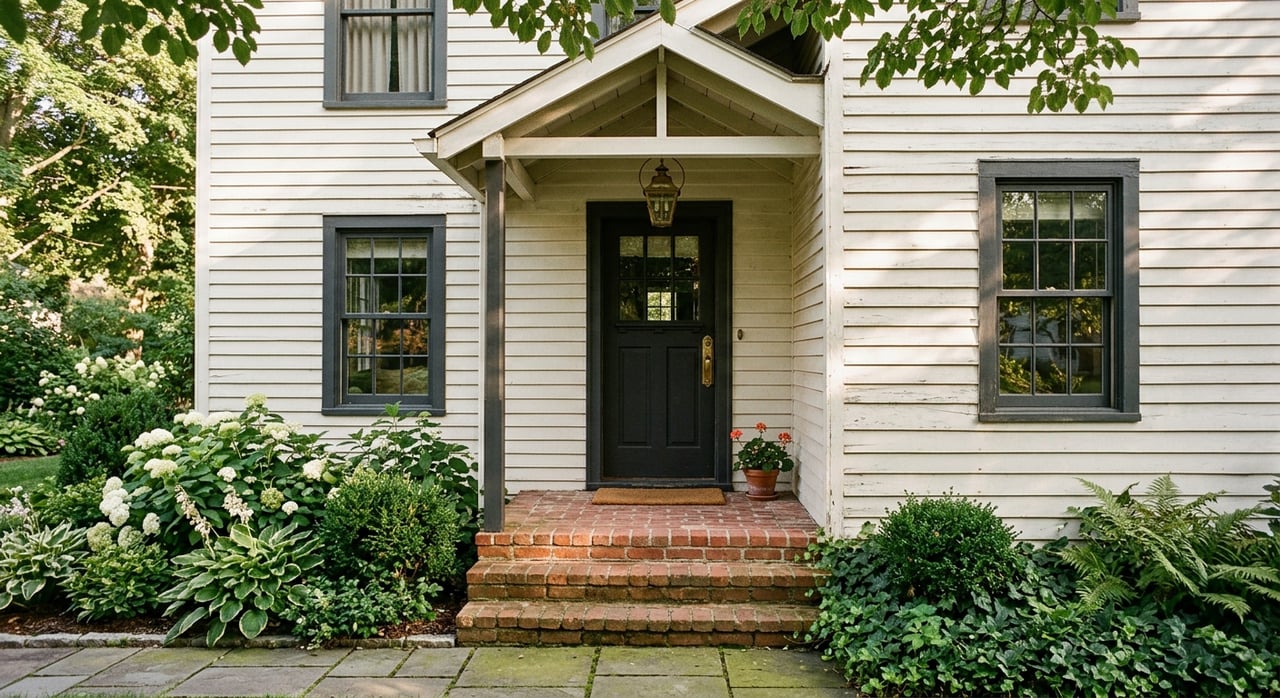
Choosing between Historic Downtown Northville and Northville Township is not just about price or square footage. It is really about how you want to live day to day, what kind of home style speaks to you, and how much flexibility you want when it comes to updates and maintenance. If you are weighing character against convenience, or walkability against subdivision living, this guide will help you compare the housing styles and practical tradeoffs in each area. Let’s dive in.
Historic Downtown Northville at a Glance
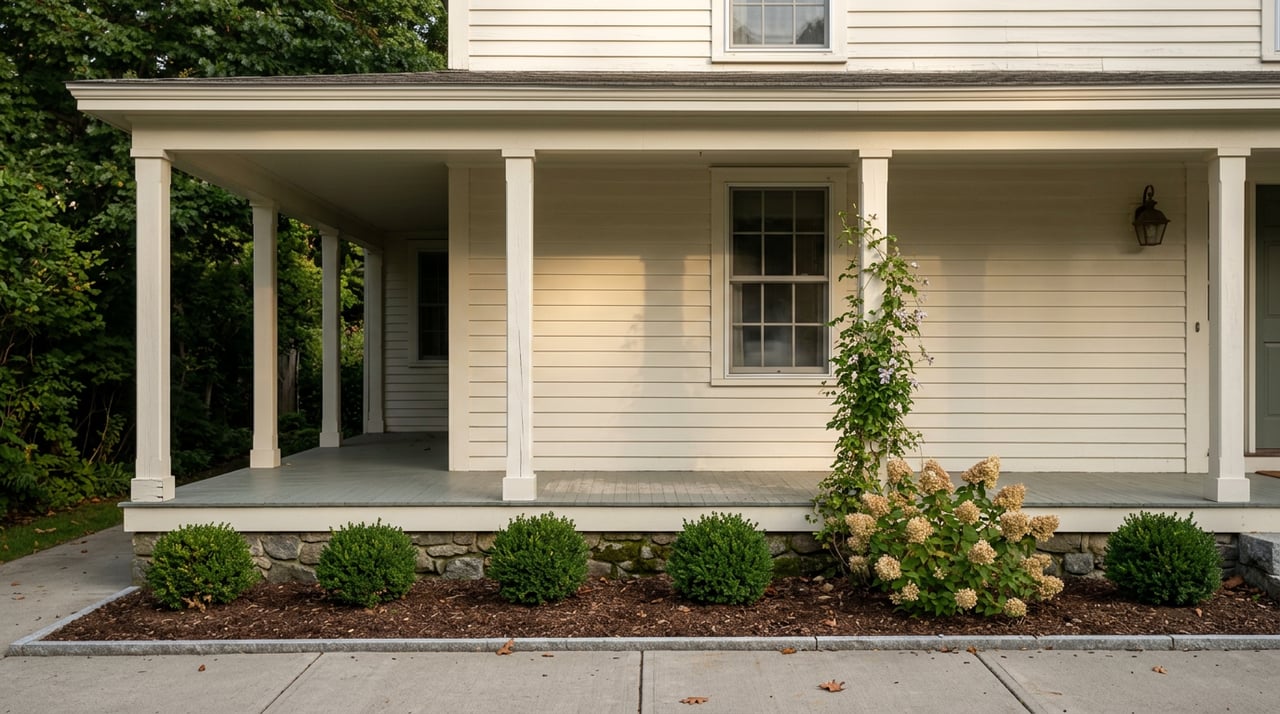
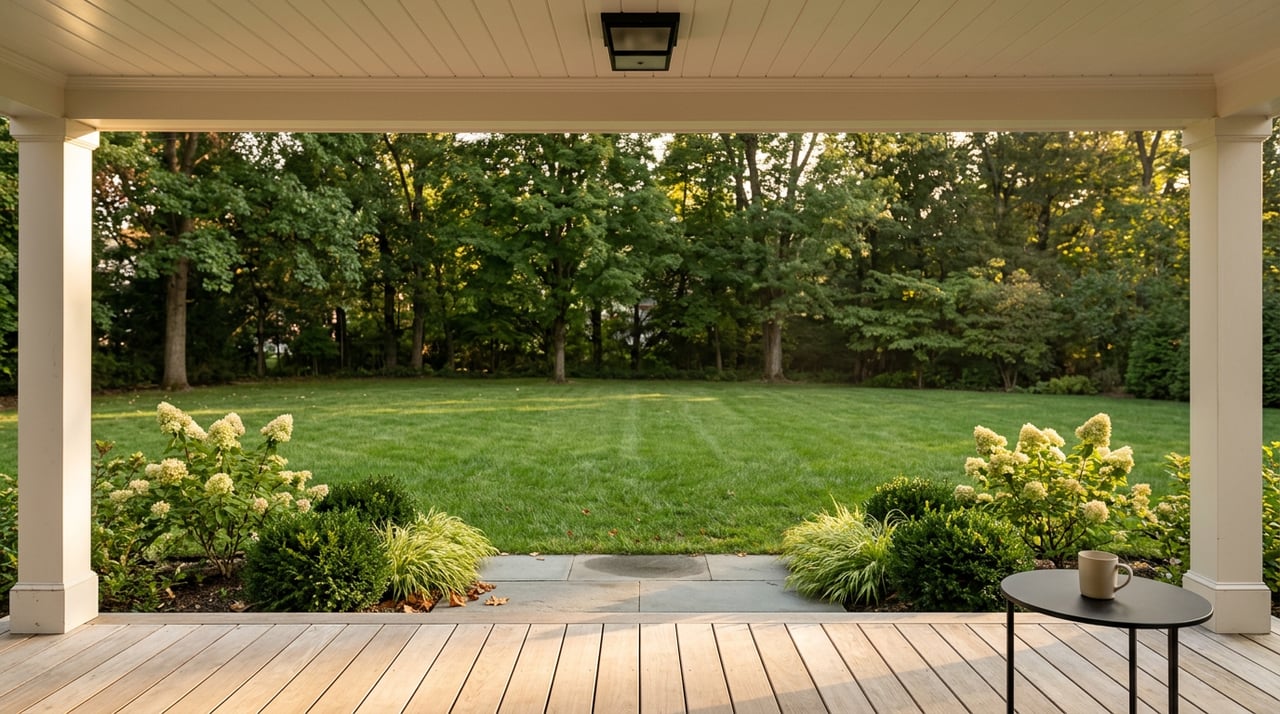
Historic Downtown Northville centers on a preserved city core with homes that branch out from downtown to the south, west, and north. The city describes this area as a walkable, pedestrian-oriented district with tree-lined streets, porch-and-lawn character, and a strong connection to downtown businesses and public spaces.
The Historic District is not just a label. Northville’s Historic Preservation Ordinance dates back to 1974, and the district includes a large preservation area where exterior changes, additions, paint colors, and demolition may be reviewed by the Historic District Commission. That makes this area especially distinct for buyers who value architectural character and a regulated historic setting.
Downtown Home Styles
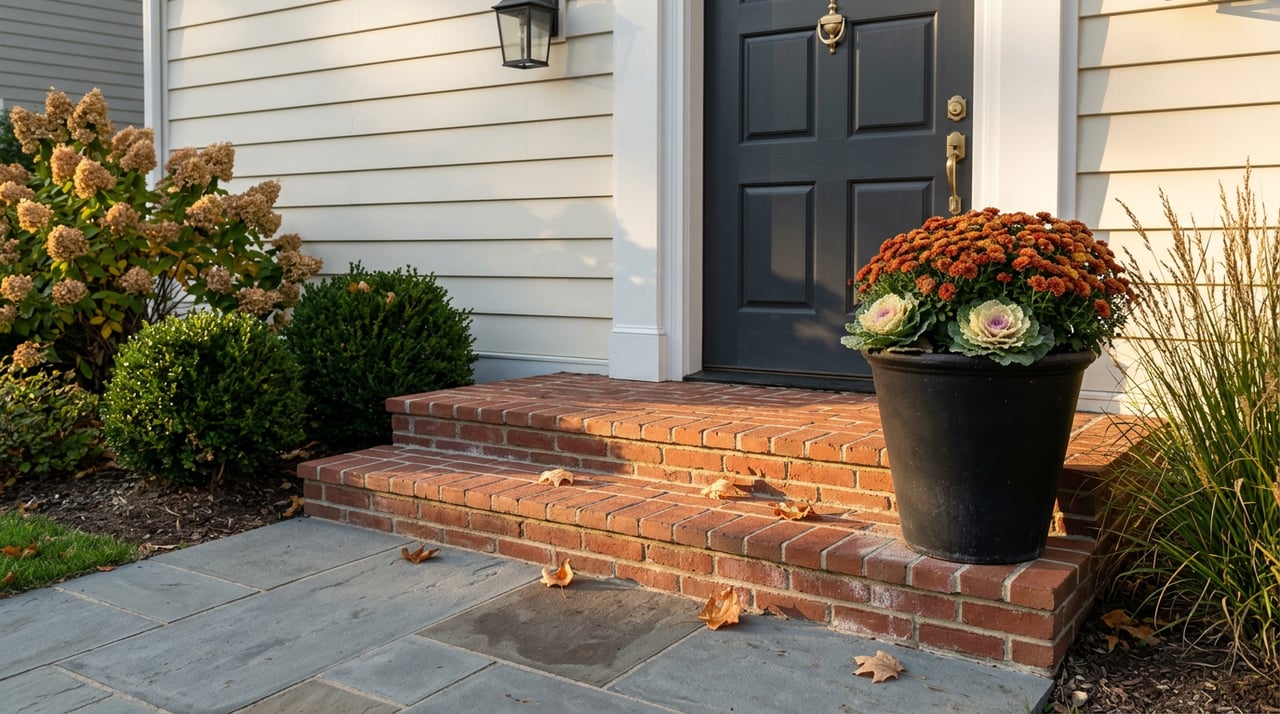
If you are drawn to older homes with personality, downtown Northville will likely stand out right away. City materials highlight 19th-century homes, Victorian-era architecture, porches, carriage houses, outbuildings, and original materials that have often been updated over time to support modern living.
You will also notice that homes here often feel less uniform than subdivision housing. Floor plans, lot layouts, exterior details, and architectural features can vary from one street to the next. That variety is part of the appeal for buyers who want a home that feels unique rather than standardized.
Downtown Lifestyle Fit
One of the biggest lifestyle differences is proximity to the heart of Northville. Downtown is described by the city as home to more than 150 businesses, and the area is built around a walkable, connected environment.
For some buyers, that means the home itself is only part of the value. Being close to downtown streetscapes, shops, and gathering places can be a major factor in the decision. If you want a neighborhood that feels tightly linked to the downtown core, this setting offers that in a way the township generally does not.
Downtown Maintenance and Rules
Older homes often come with extra upkeep, and Northville’s own historic-home materials make that clear. Buyers should expect to think about items like windows, storm windows, insulation, HVAC, and other updates needed to keep an older home comfortable and efficient.
There is also a process side to ownership here. Because the historic district is regulated, exterior work can be more controlled than in a typical subdivision. If you love preservation and want to maintain the historic look of a home, that may feel like a benefit. If you want broad freedom to change exterior details quickly, it may feel more limiting.
Northville Township at a Glance
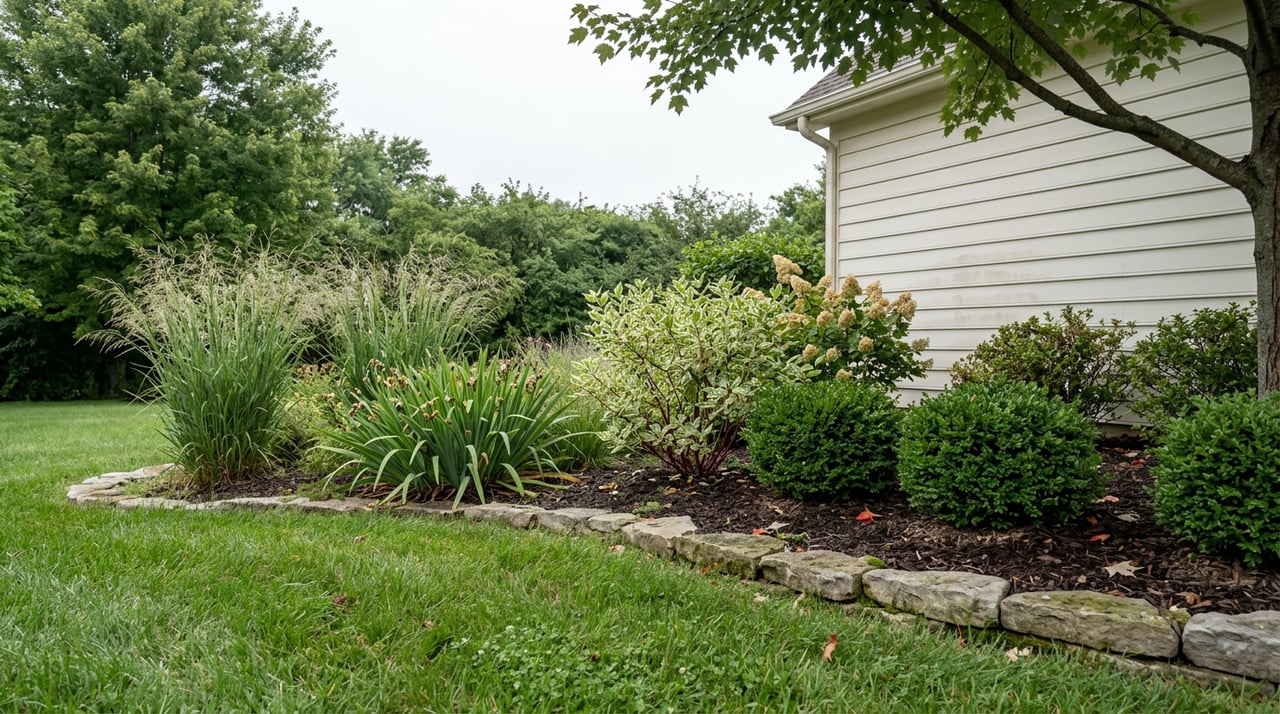
Northville Township presents a different residential pattern. Township materials describe it as a suburban oasis with beautiful homes, subdivisions, green space, parks, and pathways, which points to a more spread-out and planned residential environment than the compact downtown city core.
The township’s planning documents also emphasize connections between neighborhoods, parks, public facilities, the City of Northville, and nearby communities. With about 28 miles of hard-surfaced public pathways plus sidewalks and internal neighborhood paths, the township offers a strong network for getting around within a more suburban layout.
Township Home Styles
Housing in Northville Township is newer on average than the homes in the historic downtown area, but it is not all one thing. The township’s 2020 housing snapshot shows 12,261 housing units, with 5% built since 2010, 28% built from 2000 to 2009, and 45% built before 1990.
That mix suggests a market with a broad range of later-20th-century homes, 2000s-era subdivisions, condos, townhomes, and some newer construction. In practical terms, you may find more standardized floor plans, attached garage layouts, and subdivision patterns here than in the historic city core.
Township Lifestyle Fit
If your priority is space, neighborhood pathways, or a more typical suburban setting, the township may feel like a better match. Its planning focus and community description point to neighborhoods that are often built around subdivisions, green space, and connected public amenities rather than a historic street grid.
This can appeal to buyers who want a wider range of lot patterns or housing types. It can also be a strong fit if you prefer a neighborhood feel that is less centered on preservation rules and more aligned with modern suburban development.
Township Maintenance and Flexibility
Maintenance in the township can still involve permits and approvals, but the process is usually different from owning in a historic district. Owners may still need permits for additions, decks, fences, window replacement, and similar improvements, and some properties may also involve homeowner association approval.
In many cases, though, the process is more like standard suburban permitting rather than historic-preservation review. For buyers who want more flexibility in updating exterior materials or making changes over time, that difference can matter.
Key Housing Style Differences
When you compare the two side by side, the biggest differences usually come down to age, layout, setting, and oversight. Both areas offer a range of housing options, but they tend to serve different preferences.
| Feature | Historic Downtown Northville | Northville Township |
|---|---|---|
| Overall feel | Preserved historic core | Planned suburban setting |
| Typical housing character | Older, character-rich homes | Broader mix of newer and older homes |
| Streetscape | Tree-lined streets, porches, close downtown connection | Subdivisions, green space, pathways |
| Home variety | Highly individual architecture and lot patterns | More neighborhood consistency in many areas |
| Exterior changes | Historic district review may apply | Standard permitting, with possible HOA review |
| Lifestyle draw | Walkability and historic charm | Space, pathways, and suburban layout |
What About Price?
A common assumption is that downtown is always more expensive because of charm and location, or that the township is always more affordable because it is more suburban. The available data does not support either of those simple conclusions.
Census QuickFacts estimates the median owner-occupied housing value at $465,400 in Northville city and $551,800 in Northville Township. That places the township figure about 18.6% higher than the city figure, which shows that township living is not automatically the budget option.
At the same time, listing snapshots show wide price ranges in both areas. Downtown examples include homes in the mid-$200,000s, a 1933-built colonial around $751,000, and higher-end options above that. Township examples range from around $325,000 for a townhouse to new construction and luxury properties priced well above $1 million.
Which Area Fits Your Priorities?
If you are trying to decide where to focus your search, it helps to start with lifestyle before price. The home that fits you best is usually the one that aligns with how you want to spend your time, what level of maintenance you are comfortable with, and what kind of setting feels right when you pull into the driveway.
Historic Downtown Northville may be the better fit if you want:
- A home with older architectural character
- A close connection to the downtown core
- Tree-lined streets and porch-focused streetscapes
- A preservation-minded environment
- A home that feels distinctive and less standardized
Northville Township may be the better fit if you want:
- A more suburban neighborhood layout
- A broader mix of housing ages and floor plans
- More pathway and green space connections
- More flexibility for typical exterior updates
- Options that include condos, townhomes, subdivisions, and newer construction
A Practical Way to Compare Both
If you are serious about choosing between these two areas, the best next step is to tour both with a clear checklist. Photos online can help, but they do not fully show how a street feels, how close homes sit to one another, or how much the architecture and setting shape your experience.
As you compare homes, pay attention to:
- How important walkability is in your daily routine
- Whether you prefer historic details or more modern layouts
- How much maintenance you are willing to take on
- Whether review rules for exterior changes matter to you
- How lot size, neighborhood design, and overall setting affect your comfort
The right answer is rarely one-size-fits-all. Some buyers fall in love with a downtown porch and historic exterior. Others prefer the flexibility and layout of township subdivisions. Both can be strong choices, depending on what matters most to you.
If you are comparing Northville neighborhoods and want a clear, pressure-free conversation about where your budget and lifestyle line up best, Jay Gingell can help you sort through the options with local insight and a practical plan.
FAQs
What is the main housing difference between Historic Downtown Northville and Northville Township?
- Historic Downtown Northville is centered on older, character-rich homes in a preserved, walkable city core, while Northville Township is more suburban with subdivisions, pathways, green space, and a broader mix of housing ages.
Are homes in Historic Downtown Northville usually older?
- Yes. City materials describe downtown historic neighborhoods as featuring 19th-century homes and other older properties with architectural details such as porches, original windows, carriage houses, and historic design elements.
Does Northville Township only have new construction homes?
- No. The township has a mix of housing ages. Its 2020 housing snapshot shows that only 5% of units were built since 2010, while a large share was built before 1990 or during the 2000s.
Are exterior changes more restricted in Historic Downtown Northville?
- Yes. In the Historic District, exterior changes such as additions, paint colors, and demolition may be reviewed by the Historic District Commission, making the process more structured than standard suburban permitting.
Is Northville Township always less expensive than downtown Northville?
- No. Census QuickFacts estimates the median owner-occupied housing value at $465,400 in Northville city and $551,800 in Northville Township, so the township is not automatically the lower-cost option.
Which area is better if you want walkability in Northville?
- Historic Downtown Northville is the stronger fit if walkability is a top priority, since the city describes downtown as a pedestrian-oriented center with businesses and connected historic neighborhoods nearby.